

Nothing will derail an event faster than poor audio
When planning a scientific event, it’s easy to get caught up in the visual elements: eye-catching stage design, slick presentation slides, or branded video content. But there’s one element that trumps them all when it comes to audience experience: sound.
In life sciences events, clarity is everything. Your audience isn’t just there to be impressed — they’re there to listen, learn, and engage with complex content. And nothing will derail that faster than poor audio. Whether it’s a keynote from your CEO, a panel of KOLs, or a virtual Q&A session, if attendees can’t hear clearly, they’ll switch off. And they won’t be forgiving.
The life sciences challenge: when expectations don’t match what’s been scoped
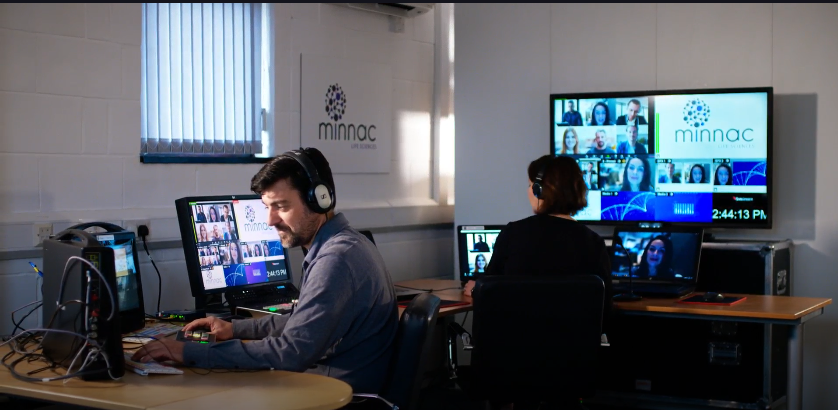
Life sciences teams are experts in complex content — but most aren’t AV specialists. And that’s where problems often begin.
A lot of event frustration comes down to one thing: not understanding the technical language, and unknowingly signing off on an audio setup that doesn’t match what the event actually requires.
You’ll often hear things like:
- “We assumed the panel would have microphones for everyone.”
- “We thought videos would play with sound.”
- “We didn’t realise someone needed to mix the audio live.”
- “We thought hybrid audio was included in the quote.”
- “We didn’t realise a handheld mic doesn’t work well for a lectern presentation.”
Then teams arrive onsite and suddenly the reality is very different to what they pictured. What’s been paid for might technically be “audio,” but not the right kind of audio for the room, the format, or the programme.
And once doors open, there’s little time (or budget) to fix it.

The audio disconnect
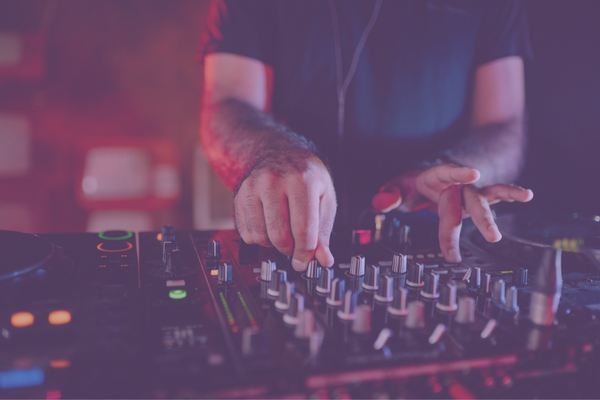
Many clients assume a basic setup (“just a handheld mic and a laptop”) will suffice. But scientific presentations often involve:
- Multiple speakers
- Remote participants
- Live Q&A
- Video playback
Each of these adds complexity. Add in hybrid formats or large venues, and suddenly a single microphone won’t cut it. Without proper audio mixing, technician support, and reliable speaker placement, you risk feedback, dropouts, or muffled speech — all of which dilute your message.
Why audio deserves priority (especially in science)
It impacts comprehension
Scientific terms and data-heavy presentations demand crystal-clear delivery. Missed words mean missed meaning — and in life sciences, missing one phrase can change the meaning of the entire point.
It shapes perception
Poor sound quality reflects badly on your brand. Your event can look high-end, but if the audio fails, your audience will remember the frustration, not the visuals.
It influences engagement
People are far more likely to tune out if they can’t follow the conversation — especially in long sessions, panel formats, or hybrid environments.
What “good audio” actually requires
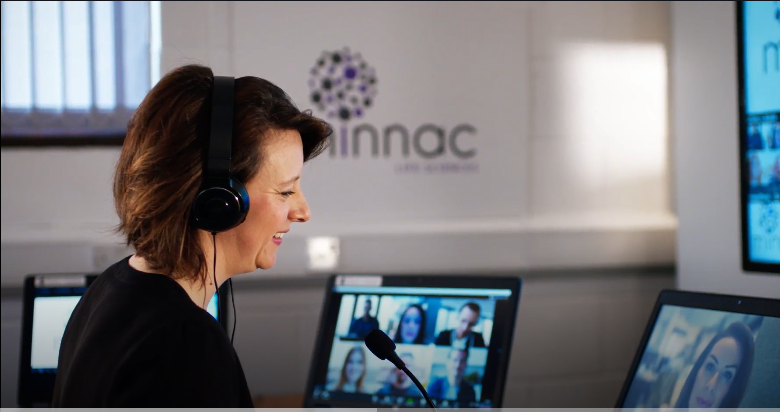
Great event audio isn’t just about having a microphone — it’s about having the right microphones, the right people, and realistic expectations about what your budget does (and doesn’t) cover.
Microphones: choosing the right tool for the job
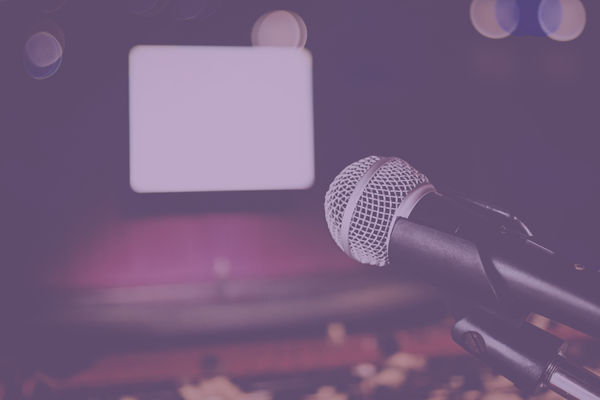
Different speaking formats require different microphones. Using the wrong type can compromise clarity, confidence, and professionalism.
Lectern (podium) microphones
Best for formal presentations and fixed-position speakers.
Pros: Consistent sound, cost-effective, hands-free
Cons: Speakers must stay in position; turning away causes volume drops
Handheld microphones
Ideal for panels, audience Q&A, and interactive sessions.
Pros: Reliable, excellent sound quality, flexible
Cons: Can feel awkward; often held too low or too far away

Lapel (lavalier) microphones
Best for presenters who want to move freely.
Pros: Discreet, hands-free, professional look
Cons: Sensitive to clothing noise; placement is critical
Madonna (headworn) microphones
Best for high-energy speakers, longer sessions, and hybrid events.
Pros: Most consistent audio quality; excellent for recording and streaming
Cons: More visible; higher cost; requires confident presenters
Choosing the right mix of microphones ensures every speaker — from CEO to panel moderator — is heard clearly, without distraction.
The people behind the sound
Even the best equipment won’t save an event without skilled technicians. This is one of the biggest gaps in client expectation: people assume the kit is the job — but the operators are what make it work.
A1 (Lead Audio Engineer)
The A1 controls the overall sound experience. They manage all microphones and media sources, balance levels for both in-room and virtual audiences, prevent feedback, and respond instantly when something changes.
A2 (Audio Technician / Support)
The A2 works behind the scenes and on stage — fitting microphones, managing batteries, handling mic changes, and troubleshooting issues before they become noticeable.
Why they matter:
Live audio is unpredictable. Speakers move, speak softly, turn their heads, or forget to switch microphones on. Having experienced audio technicians means problems are fixed before the audience realises there was ever an issue.
Budget pressure: what can be cut — and what you lose
When AV budgets are reduced, the impact isn’t just on sound quality — it’s on flexibility, and on how well your event can handle real-life conditions.
A lean audio setup often means a rigid run-of-show. Without the right equipment, routing, or technical support onsite, even simple requests become impossible.
Common limitations when audio is stripped back include:
No walk-on or walk-off music
No support for embedded audio in PowerPoint slides
Videos without sound, or with unreliable playback
No flexibility for last-minute speaker changes
Reduced ability to support spontaneous Q&A or audience interaction
What feels like a small saving during planning can result in a very constrained experience onsite — one where presenters are told “we can’t do that” instead of “yes, we can.”

Risk vs reward: where savings actually make sense
Lower-risk compromises
- Reducing the number of backup microphones
- Choosing lapel mics instead of headworn where appropriate
- Simplifying setups for smaller rooms
Higher-risk cuts
- Removing the A2 technician
Impact: Slower fixes, more visible disruptions, less flexibility
- Sharing microphones on panels
Impact: Reduced flow, poorer engagement
- Cutting proper audio support for hybrid or recorded events
Impact: Poor remote experience and unusable recordings
The truth is: you can simplify audio, but you can’t afford for it to fail. Because audio failure doesn’t just “reduce production value” — it compromises the purpose of the event.
How Minnac helps
Minnac bridges the gap between AV vendors and scientific clients. We translate technical requirements into clear, practical decisions and advocate for your needs during planning and delivery — so what you imagine is actually what you get onsite.
We help you:
- Prioritise audio early in budget planning
- Understand what equipment is genuinely required (and what isn’t)
- Avoid mismatched expectations between client and supplier
- Protect onsite flexibility so your agenda can run smoothly
- Ensure the right technical support is in place when it matters most
Bottom line: Don’t let poor sound — or a misunderstanding of what’s been scoped — sabotage your story. In scientific events, being heard isn’t optional. With Minnac, your message comes through loud and clear.