

Rethinking ROI: the true value of user group meetings in life sciences
By Lucy Thorne, Marketing Manager

Looking beyond leads to understand real value of user group meetings
When it comes to User Group Meeting (UGM) ROI, many organisations still focus too heavily on immediate pipeline impact. Simply because, for many leadership teams, the success of an event is judged by a familiar set of metrics: number of leads generated, pipeline created, and ultimately, revenue influenced.
It’s a reasonable expectation. Events are a significant investment, and stakeholders want to see measurable returns. But when it comes to user group meetings, this can be misleading.
In life sciences, where relationships are complex, sales cycles are long, and trust underpins every decision, the most valuable outcomes of a UGM are rarely immediate, or easily captured in a CRM dashboard.
To understand the true ROI of a UGM, we need to look beyond direct attribution and towards the broader, more strategic impact these events deliver.

Why traditional ROI metrics fall short
User Group Meetings are fundamentally different from lead-generation events as they are not designed to fill the top of the funnel. Instead, they operate further along the customer journey, where decisions are shaped by credibility, peer validation, and real-world experience.
This is particularly true in life sciences, where:
- Purchasing decisions are high-stakes and evidence-driven
- Sales cycles can span months or years
- Relationships often matter as much as product performance
In this context, measuring success purely by new leads or short-term revenue risks undervaluing what UGMs are actually built to achieve.
The strategic role of a User Group Meeting
At their core, UGMs are relationship-centric, insight-driven events. They bring together existing customers, users, and stakeholders to:
- Share knowledge and real-world applications
- Facilitate peer-to-peer discussion
- Strengthen engagement with your brand
- Generate meaningful feedback and insight
When designed effectively, they align closely with a broader strategic goal: building a community around your product or platform.
This reflects a wider truth in life sciences events that when they are executed with intent, they are not just moments in time, but mechanisms for long-term engagement, trust-building, and business growth.


The real ROI: indirect, but high-impact
While UGMs may not always deliver immediate pipeline, they generate a range of high-value, indirect returns that are critical to sustained success.
1. Deepening relationships
Face-to-face engagement remains one of the most effective ways to build trust. UGMs create space for:
- Meaningful conversations outside of formal sales settings
- Informal interactions—over coffee, meals, or networking sessions
- Stronger personal connections between teams and customers
This shifts the dynamic from transactional to collaborative—positioning your organisation as a partner invested in long-term success, not just a vendor.
2. Turning customers into advocates
The experience of the event itself matters. Thoughtfully curated agendas, high-quality scientific content, and attention to detail. Everything from venue to catering signal to attendees that they are valued. And customers who feel invested in are more likely to:
- Recommend your solution to peers
- Participate in case studies or reference programmes
- Engage more actively in future initiatives
Over time, this creates a network of brand advocates which is a powerful, and often under-recognised, driver of growth in life sciences.


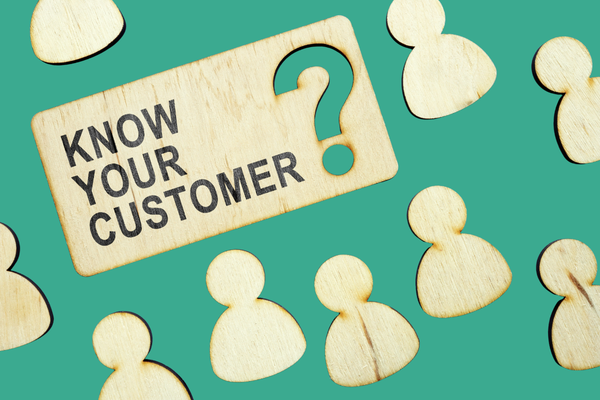
3. Unlocking high-quality voice of customer (VoC)
One of the most valuable outcomes of a UGM is the ability to gather rich, structured customer insight. Unlike surveys or one-to-one interviews, UGMs enable:
- Facilitated group discussions across multiple topics
- Dynamic exchange of ideas between users
- Deeper exploration of challenges, needs, and perceptions
For example, structured discussion groups across several themes can generate insights that directly inform:
- Product development priorities
- Messaging and positioning
- Customer experience improvements
Crucially, this moves organisations from assumption-based decision-making (“we think”) to evidence-based strategy (“we know”).
4. Building community and network effects
UGMs are not just about your relationship with each customer. They are also about the relationships customers build with each other.
Creating a space for peer interaction:
- Encourages knowledge sharing and best practice exchange
- Enables informal validation of your product in real-world settings
- Strengthens the sense of belonging within a user community
These network effects have long-term implications including increased customer retention, stronger engagement over time, and organic growth through referrals and peer recommendations.

5. Driving internal alignment
It’s important to remember that the impact of a UGM is not limited to external audiences. Internally, these events can also provide a unique opportunity for teams to:
- Hear directly from customers
- Observe real-world use cases and challenges
- Align around shared insights
For marketing, product, and commercial teams, this can be transformative, replacing internal assumptions with first-hand understanding of customer needs.
What success really looks like
Success in a UGM should not be defined by the number of leads captured, but instead, should be evaluated through the depth and quality of engagement. Indicators of success include:
- Active participation in sessions and discussions
- High-quality contributions during VoC activities
- Strong peer-to-peer interaction and networking
- Positive attendee sentiment driven by both content and experience
In well-executed UGMs, the value lies in how people engage, not how many leads are generated.


Measuring ROI more effectively
To capture the full value of a UGM, organisations need to adopt a more holistic measurement framework.
Quantitative (lagging indicators)
- Influence on pipeline and deal progression
- Customer retention and expansion
- Referral activity
Qualitative (leading indicators)
- Attendee feedback and satisfaction
- Engagement levels across sessions and discussions
- Depth and usefulness of VoC insights
- Signals of advocacy (e.g. willingness to speak, collaborate, refer)
Strategic outcomes
- Insights translated into product or marketing improvements
- Stronger alignment across internal teams
- Enhanced relationships with key accounts
This blended approach provides a more accurate reflection of the event’s true impact.
Aligning stakeholders on what matters
A critical step in maximising ROI is setting expectations upfront. Senior leadership and finance teams need to understand that:
- UGMs are not primarily lead-generation tools
- Their value lies in relationship-building and insight generation
- The return is often realised over time, not immediately
By clearly defining the purpose of the event, and aligning metrics accordingly, organisations can shift the narrative from cost centre to strategic investment.


From event to growth engine
User Group Meetings, when executed well, are far more than a line item in a marketing budget.
They are:
- Relationship accelerators
- Insight engines
- Community-building platforms
And ultimately, they are a driver of long-term, sustainable growth.
At Minnac, we design life sciences events with this broader impact in mind, ensuring every element is aligned not just to deliver a great experience, but to generate meaningful, measurable outcomes that extend far beyond the event itself
Planning a User Group Meeting and need to demonstrate its value internally?
Minnac helps life sciences organisations design and deliver events that balance experience with strategic impact, from audience engagement to insight generation and beyond.